
Ghost of Yōtei: An In-Depth Guide
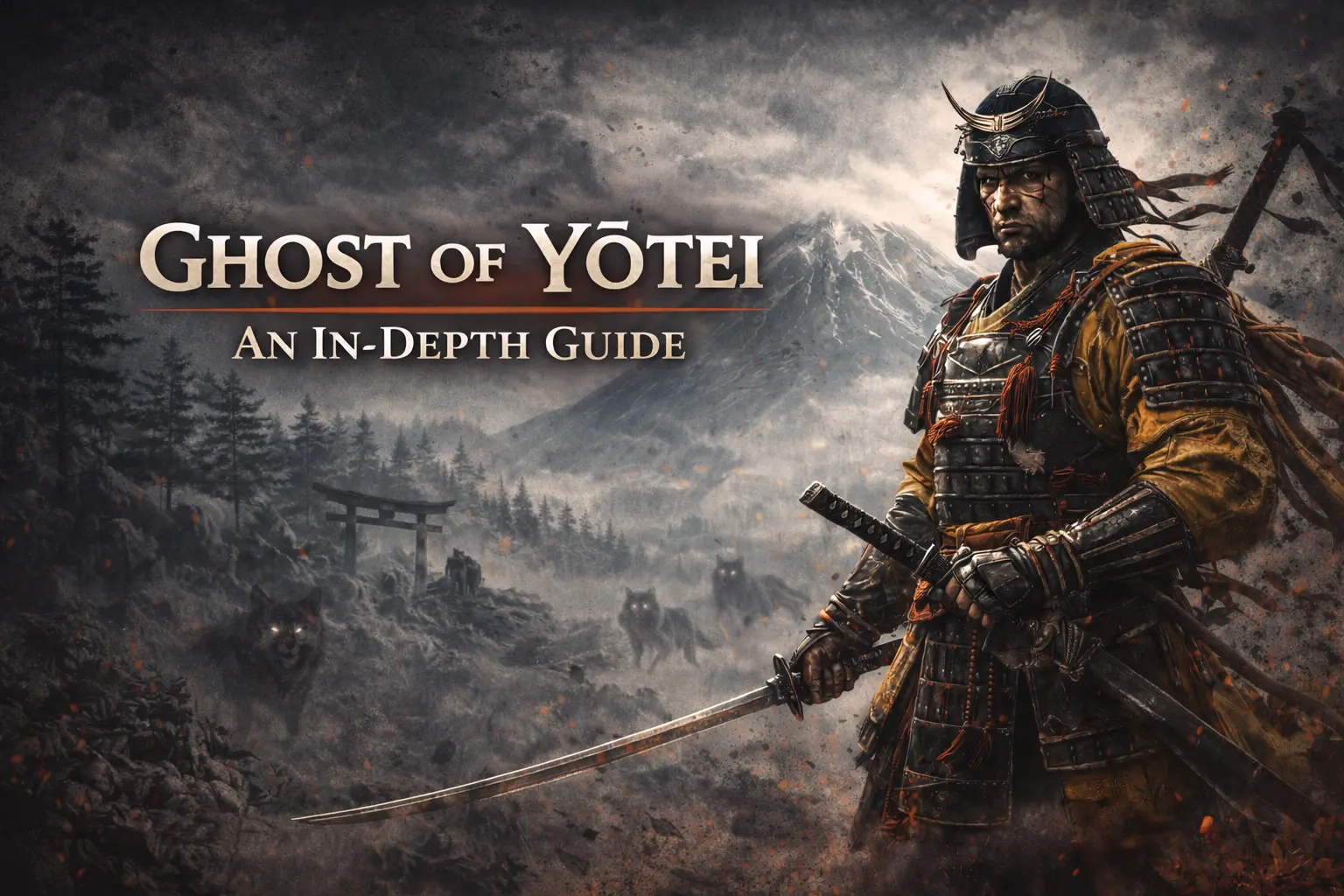
The Ghost of Yōteiis an action-adventure game released in 2025 as a standalone sequel to the iconic Ghost of Tsushima.
Developed by Sucker Punch Productions and published by Sony Interactive Entertainment, this game takes players back to the early 17th century in Japan, weaving a tale of vengeance and redemption.
With a narrative centered around Atsu, a mercenary driven by the loss of her family, the game offers a rich, immersive experience that expands on its predecessor’s mechanics while introducing new gameplay elements. This guide explores the game’s high ratings, gameplay features, multiplayer aspects, plot, and premise.
Gameplay Mechanics and Innovations
Ghost of Yōtei builds on the foundation laid by Ghost of Tsushima, refining and expanding its mechanics to create a more engaging experience.
The game is played from a third-person perspective, allowing players to explore the vast, open world of Ezo, a region in northern Japan.
The game introduces a plethora of new weapons and combat systems, enhancing the strategic depth of encounters.
Combat System
The combat system in Ghost of Yōtei retains the fluidity and satisfaction found in its predecessor but introduces new elements to keep players engaged.
The “stance” system from Ghost of Tsushima has been replaced by a “weapon counter system,” which requires players to strategically switch between weapons to counter various enemy types.
Atsu starts with a katana and gradually unlocks additional weapons such as the yari (spear), kusarigama (chain-sickle), and ōdachi (two-handed greatsword), alongside dual-wielding katana options. This arsenal enables diverse combat styles tailored to different enemy archetypes.
Exploration and Environment
The game’s setting, Ezo, offers a diverse range of environments, each meticulously crafted to provide both aesthetic beauty and tactical opportunities.
The dynamic weather effects, including snow, rain, and aurora borealis, enhance the atmospheric experience. Players are free to explore these landscapes, encountering various NPCs and engaging in side activities that complement the main storyline.
New and Returning Features
Ghost of Yōtei introduces several new features while retaining beloved elements from Ghost of Tsushima. Players can summon a wolf companion for assistance in combat or stealth missions, adding a strategic layer to gameplay. The grappling hook, available from the start, allows for more fluid movement across the terrain.
Side activities such as bounty hunting, weapon mastery quests, and crafting at camps provide additional depth to the game. Returning features include the “guiding wind” mechanic and the Kurosawa Mode, which pays homage to Akira Kurosawa’s cinematic style.
Multiplayer Experience
While Ghost of Yōtei primarily focuses on its single-player narrative, it offers multiplayer components that enhance the overall experience.
These elements allow players to team up with friends or other online players to tackle challenging missions and explore the world of Ezo together.
The cooperative gameplay encourages strategic collaboration, leveraging the diverse abilities and weapons available to each player.
Explorer Schoology Alfa enhances interactive learning experiences for students and educators efficiently.
Cooperative Missions
In multiplayer mode, players can engage in cooperative missions that require teamwork and coordination. These missions are designed to be challenging, pushing players to utilize their skills and adapt to dynamic combat scenarios.
The multiplayer experience also includes unique rewards and progression systems, encouraging players to return for more cooperative adventures.
Competitive Elements
While the emphasis is on cooperative play, Ghost of Yōtei incorporates competitive elements to keep the multiplayer experience fresh and exciting. Players can participate in leaderboards and rankings, showcasing their prowess in combat and exploration. This adds a layer of competition that complements the cooperative aspects of the game.
Plot and Premise
The narrative of Ghost of Yōtei unfolds in 1603, following the protagonist Atsu on her quest for vengeance against the Yōtei Six, a group of outlaws responsible for the massacre of her family. The game’s plot delves into themes of justice, redemption, and the human cost of vengeance, providing a rich and emotionally resonant story.
Character Development
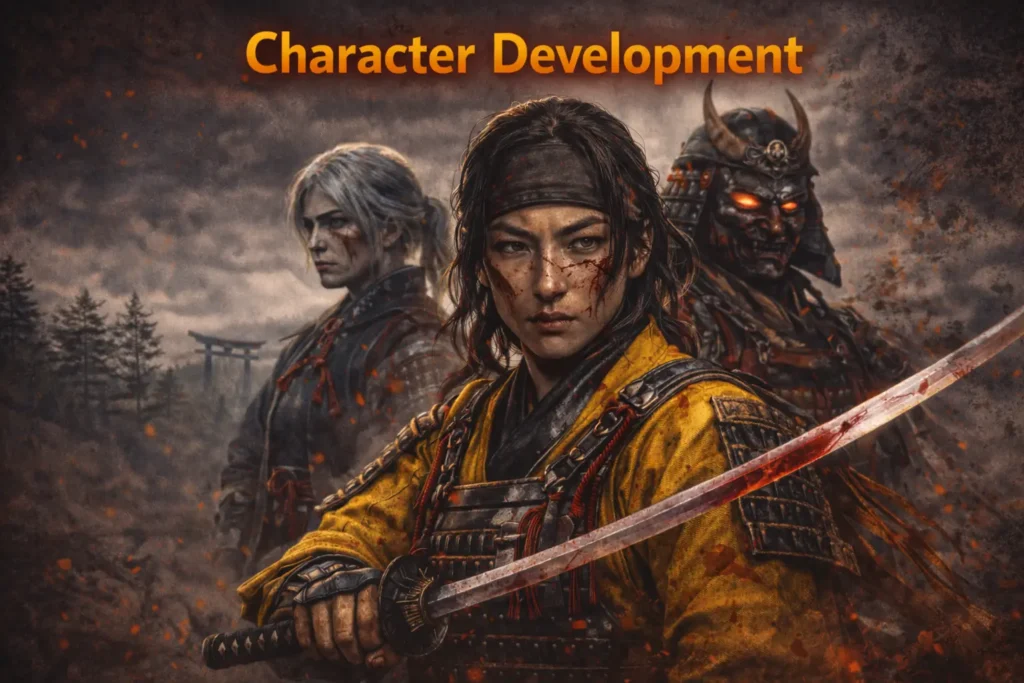
Atsu, portrayed by actor Erika Ishii, is a complex character driven by her desire for revenge. Her journey is marked by encounters with unlikely allies and formidable foes, each contributing to her growth and development. The game explores her internal struggles as she grapples with her thirst for vengeance and the impact it has on her relationships and sense of self.
Story Structure
Ghost of Yōtei features a non-linear story structure, allowing players to choose the order in which they confront the Yōtei Six. This approach provides players with agency and encourages exploration, as each encounter reveals new facets of the overarching narrative. The story is punctuated by intense boss battles, with the Snake serving as the initial adversary and Lord Saito as the final boss.
Critical Reception and Ratings
Upon its release, Ghost of Yōtei received generally positive reviews from critics and players alike. The game was praised for its captivating open-world design, refined combat mechanics, and compelling narrative. It sold over 3.3 million copies within a month of its release, reflecting its popularity among fans of the genre.
Review Scores
The game garnered impressive review scores, with many outlets awarding it high ratings. The combat gameplay received particular acclaim, with scores often reaching 9/10. The storytelling, while criticized by some for its predictability, was lauded for its emotional depth and character development.
Awards and Nominations
Ghost of Yōtei was recognized at the 29th Annual D.I.C.E. Awards, where it won the title of “Adventure Game of the Year.” The game was also nominated in several other categories, highlighting its achievements in visual design, narrative, and gameplay innovation.
Conclusion
Ghost of Yōtei stands as a testament to the enduring appeal of samurai-themed games, offering a rich blend of action, exploration, and storytelling. Its combination of refined mechanics, engaging narrative, and breathtaking visuals ensures that it remains a memorable experience for players.
Whether you’re a fan of the original Ghost of Tsushima or new to the series, Ghost of Yōtei provides a compelling journey through the rugged landscapes of northern Japan.